
In today’s digital world, understanding how to avoid online scams is more important than ever. As online businesses, freelancing, shopping, and digital payments continue to grow, scammers are also becoming more advanced. Many people lose money simply because they do not fully understand how to avoid online scams. This complete guide explains practical strategies, red flags, and prevention techniques to help you stay protected. If you truly want to protect your finances and identity, learning how to avoid online scams must become a priority.
When you understand how to avoid online scams, you reduce the risk of financial loss, identity theft, and emotional stress.
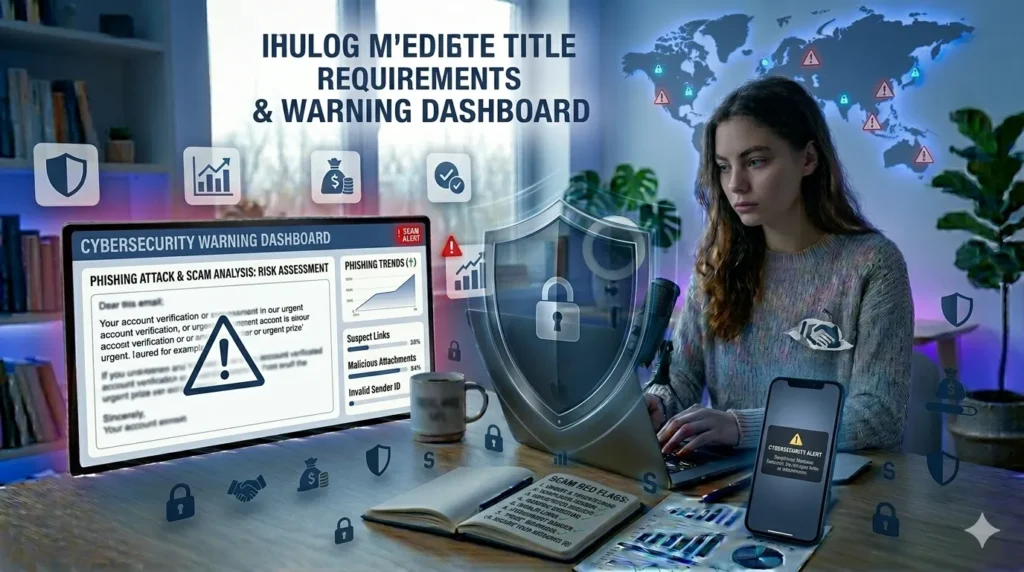
Why Online Scams Are Increasing
Before diving deeper into how to avoid online scams, it is important to understand why scams are increasing.
Reasons include:
Growth of digital payments
Remote work opportunities
Social media expansion
Cryptocurrency popularity
Online shopping growth
Because more people are online, scammers have more targets. This makes knowing how to avoid online scams essential.
Common Types of Online Scams
To master how to avoid online scams, you must recognize common scam types.
1. Phishing Emails
Phishing scams trick users into revealing passwords or banking details. Understanding phishing is a key step in learning how to avoid online scams.
2. Fake Job Offers
Freelancers often encounter fake clients. Recognizing fake job posts is crucial in how to avoid online scams.
3. Investment Scams
Promises of guaranteed high returns are major warning signs. Avoiding unrealistic investments is central to how to avoid online scams.
4. Online Shopping Fraud
Fake e-commerce stores lure buyers with low prices. Checking store authenticity helps in how to avoid online scams.
5. Romance Scams
Scammers build fake relationships for financial gain. Emotional manipulation awareness strengthens how to avoid online scams.
Warning Signs: How to Avoid Online Scams Early
Recognizing red flags is the first practical step in how to avoid online scams.
Common warning signs include:
Urgent payment requests
Guaranteed income promises
Requests for private information
Unverified links
Poor grammar in emails
When you notice these signs, you are actively applying how to avoid online scams principles.
How to Avoid Online Scams When Freelancing
Freelancers are common targets. To learn how to avoid online scams in freelancing:
Never work outside trusted platforms
Avoid advance payment for “job access”
Verify client profiles
Use written agreements
Professional caution strengthens your ability in how to avoid online scams.
How to Avoid Online Scams in Online Shopping
When shopping online, apply these how to avoid online scams strategies:
Check website reviews
Verify HTTPS security
Avoid deals that seem too good to be true
Use secure payment methods
Avoid direct bank transfers
Safe shopping habits are key components of how to avoid online scams.
How to Avoid Online Scams in Investment Opportunities
Investment scams are common. To practice how to avoid online scams in investing:
Research company background
Avoid guaranteed profits
Check regulatory registrations
Consult financial experts
Careful evaluation protects you under the principles of how to avoid online scams.
Protecting Personal Information
A major aspect of how to avoid online scams involves protecting your data.
Best practices include:
Strong passwords
Two-factor authentication
Avoid public Wi-Fi for transactions
Regular password updates
Cybersecurity habits are central to how to avoid online scams.
How Social Media Scams Work
Social media platforms are common scam channels. Learning how to avoid online scams on social media means:
Ignoring suspicious DMs
Avoiding giveaway scams
Verifying influencer endorsements
Not clicking unknown links
Awareness improves your success in how to avoid online scams.
Reporting Online Scams
An important part of how to avoid online scams is reporting fraud attempts.
In the USA, scams can be reported to:
Federal Trade Commission (FTC)
FBI Internet Crime Complaint Center
Reporting helps others and strengthens your understanding of how to avoid online scams.
Psychological Tactics Used by Scammers
Understanding psychology improves your ability in how to avoid online scams.
Scammers use:
Urgency
Fear
Greed
Emotional manipulation
Authority impersonation
Recognizing these tactics makes you more resistant and better equipped in how to avoid online scams.
How to Teach Others to Avoid Online Scams
Spreading awareness is another dimension of how to avoid online scams.
Teach family members:
Never share OTP codes
Avoid suspicious calls
Verify offers independently
Use secure devices
Education strengthens community protection in how to avoid online scams.
Long-Term Online Safety Strategy
To permanently apply how to avoid online scams, follow long-term habits:
Stay updated on scam trends
Use antivirus software
Monitor financial accounts
Verify before trusting
Consistency is key in mastering how to avoid online scams.
What is the most common online scam?
Phishing emails are among the most common. Learning how to avoid online scams includes identifying phishing attempts.
Can online scams be completely avoided?
While no system is perfect, understanding how to avoid online scams significantly reduces risk.
Are freelancers more vulnerable?
Yes, freelancers often face fake job offers. Practicing how to avoid online scams protects freelancers effectively.
How can I check if a website is fake?
Check reviews, domain age, HTTPS security, and contact details. These steps help in how to avoid online scams.
What should I do if I get scammed?
Immediately report to authorities and your bank. Quick action is part of effective how to avoid online scams response strategy.
Final Thoughts Learning how to avoid online scams is no longer optional in 2026—it is essential. The digital world offers massive opportunities, but it also attracts fraudsters. By recognizing warning signs, protecting your data, verifying offers, and staying informed, you dramatically reduce risk. Mastering how to avoid online scams ensures that your online journey remains safe, secure, and productive. Stay alert, stay informed, and always verify before you trust